
Zimbabwe — Community Agriculture & Livelihood Transformation
Growing a Model for Community Transformation: From one piece of land to a movement of resilient communities. As SITG's Lead Project, we are pioneering the Farmerman Systems Model—demonstrating how sustainable agriculture restores livelihoods, strengthens orphan-headed households, and multiplies hope across generations.
Urgent Farm Priority: Solar Borehole Our orphans and farmers currently carry water manually to nurture their gardens through recurring droughts. We are actively raising funds to drill our first deep solar borehole on the farm!
Orphan Vulnerability & Drought
In rural communities across Zimbabwe, economic hardship and loss have left countless children orphaned and vulnerable. Without agricultural mentorship, practical life skills, or steady livelihood, these young people face acute malnutrition and cyclical poverty.
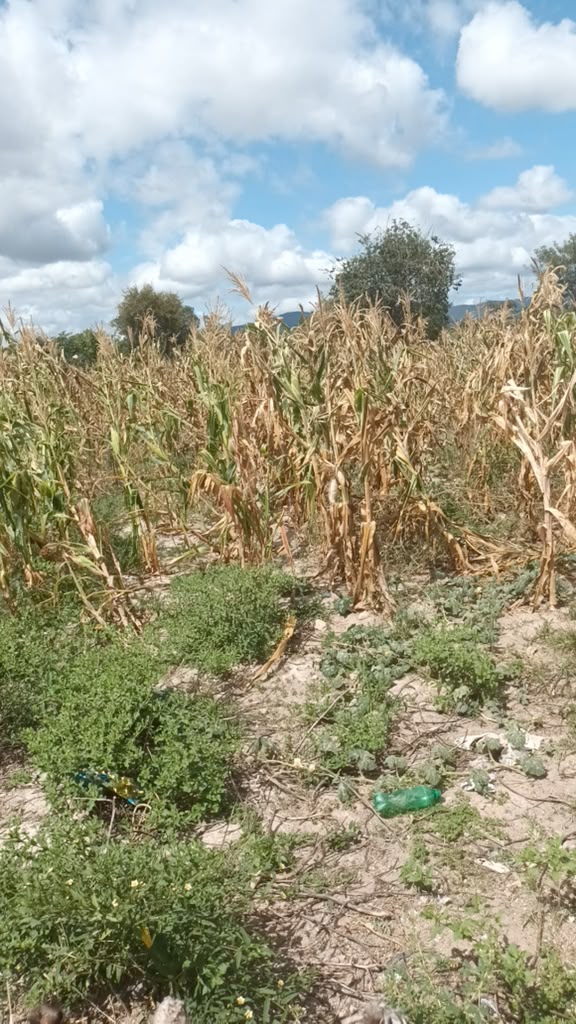
Compounding this challenge, relentless dry spells scorch rain-dependent farms. Without an on-site borehole or solar pumping infrastructure, watering gardens requires exhausting manual labor, making water scarcity the greatest obstacle threatening their self-reliance.
Nutritious Gardens & Organic Mentorship
SITG stepped in with a grassroots, transformative strategy: mobilising orphans, youth, and vulnerable households into Community Nutrition Gardens where we teach them organic agriculture from scratch.
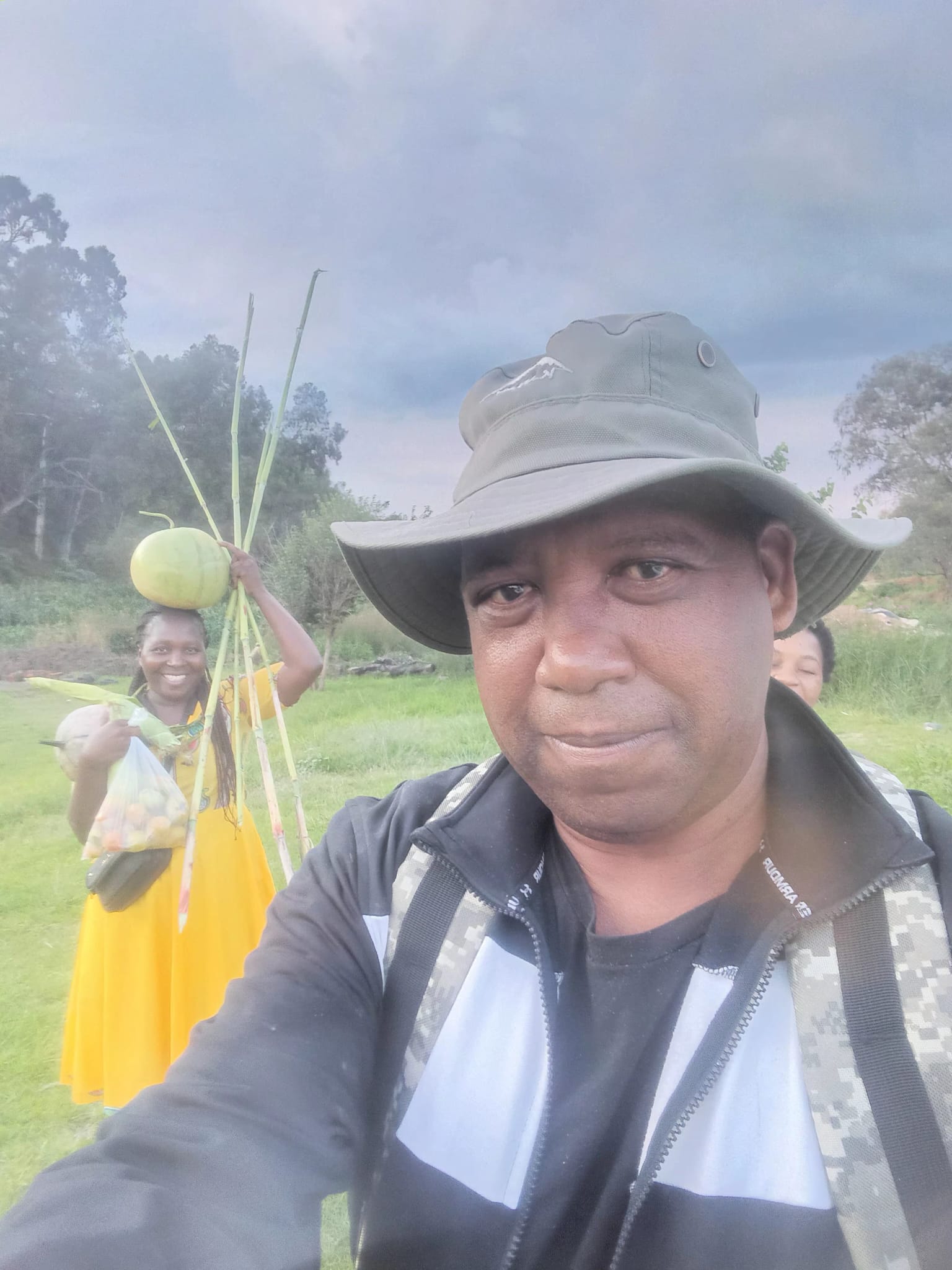
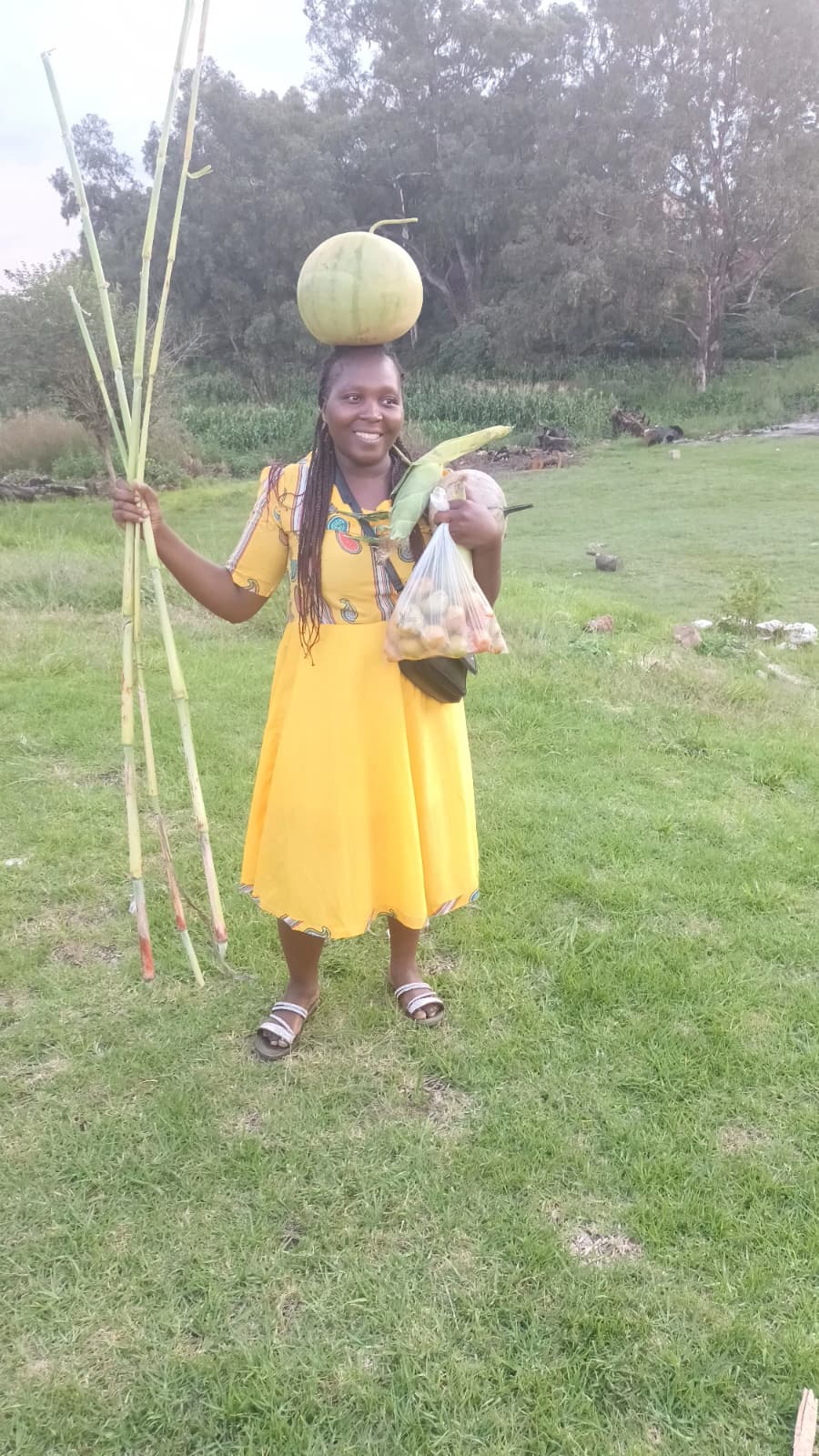
Through hands-on training in natural composting, bed preparation, and pest control, these youth cultivate sweet watermelons, fresh sugarcanes, garden vegetables, and drought-hardy sorghum. They grow the food themselves, learn self-sufficiency, and take wholesome harvests home to feed their households with pride.
The Farmerman Systems Model
Train-the-Trainer Model: From 20 Lead Farmers → 200 Lead Farmers → 1,000 Farmers Reached
As the proposed lead technical partner, Farmerman Systems brings together agricultural economics, agroecology, agribusiness intelligence, digital technology, and community development to turn this vision into a practical, measurable programme.
Our approach begins with evidence, not assumptions. Through our proposed 1.5-hectare Community Agriculture and Livelihood Hub, we aim to demonstrate climate-smart production, soil restoration, efficient water use, seedling nurseries, appropriate livestock enterprises, and market-oriented farming. The model is continuously refined through site, soil, water, community, and market assessments.
Evidence-Based Implementation Pathway
How Change Will Happen
We will combine practical demonstrations with community training, appropriate productive resources, household follow-up, farmer groups, and market connections.
Digital records and monitoring will track participation, production, livelihoods, and operational lessons learned.
20 Community Champions
The proposed first-year ambition includes training 20 community champions who can help extend knowledge and practices towards a wider target of 1,000 people.
Subject to resources, community needs, and implementation capacity, this builds an exponential community movement.
Measuring Success Beyond the Farm
Our measure of success is not simply what grows on the farm. It is what grows beyond it: improved food security, stronger household livelihoods, resilient farming practices, local enterprise, and independent communities.
Equipping orphan-headed families to sustain their progress without permanent aid dependency.
A Model Designed to Grow
Farmerman Systems will support programme design, technical planning, training, market intelligence, digital documentation, and monitoring and evaluation. The objective is to build a locally grounded model that can be tested, improved, and adapted to other communities and countries—not copied blindly, but tailored to local realities.
The Zimbabwe Mission Orbiting the Earth
Explore our Zimbabwe Nutrition Gardens rotating smoothly like the Earth on its axis. Drag, swipe, or click any card to examine milestones from hands-on orphan mentorship to abundant sweet melon harvests.

Mobilising Orphans for Self-Reliance
In Zimbabwe, true charity isn't a temporary handout—it's teaching young people who have lost everything how to turn soil into sustenance, confidence, and permanent food security.
Teaching Them to Grow It Themselves
Instead of remaining dependent on emergency rations, orphaned youth are welcomed into SITG's communal farm circles. They receive hands-on training in organic soil aeration, natural mulching, seed nursery care, and crop tending.
By planting, nurturing, and harvesting their own crops, these young people develop a deep sense of dignity, lifelong vocational capability, and the ability to feed themselves and their siblings independently.
Guardians of the Hearth & Nutrition Gardens
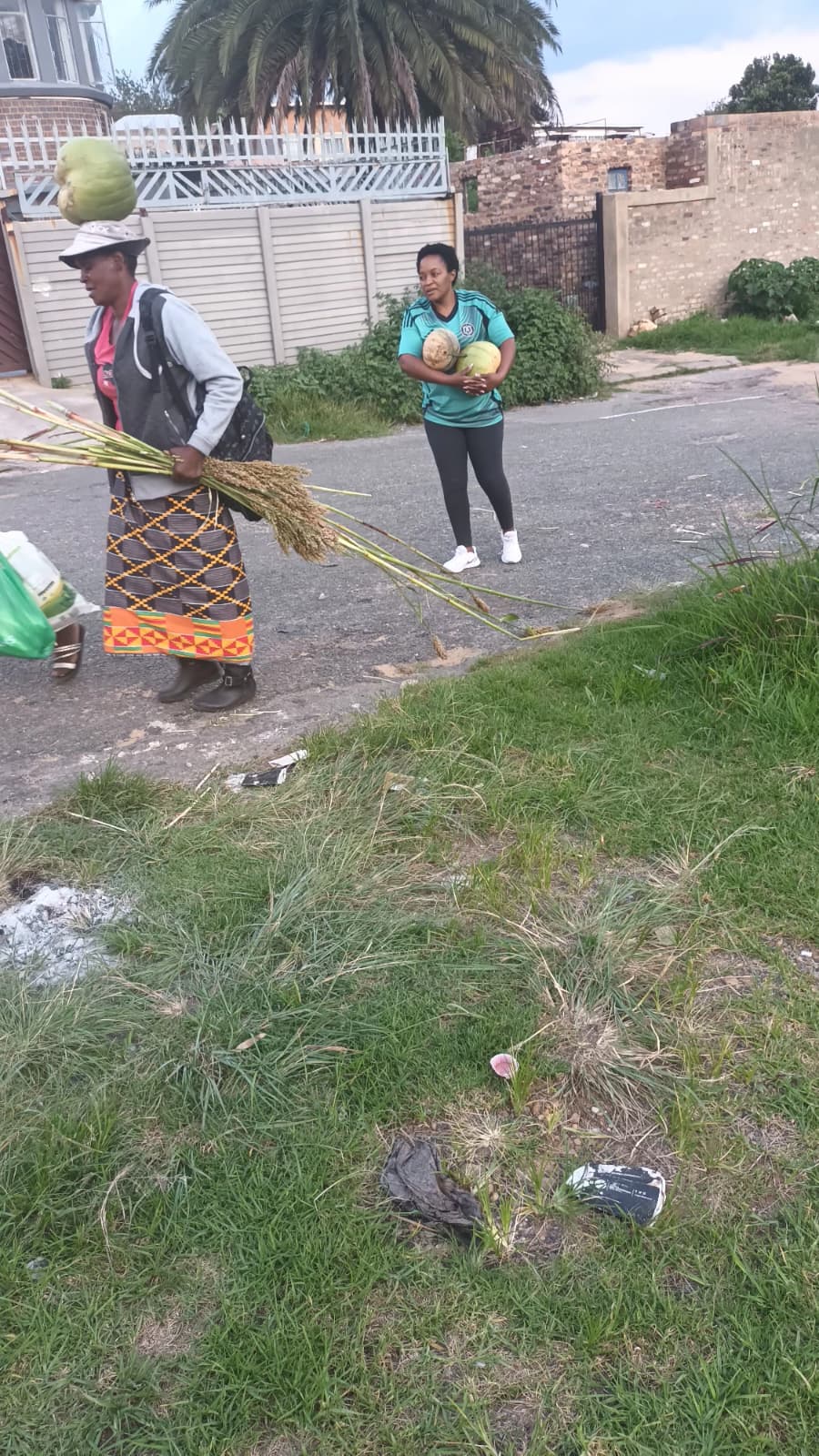
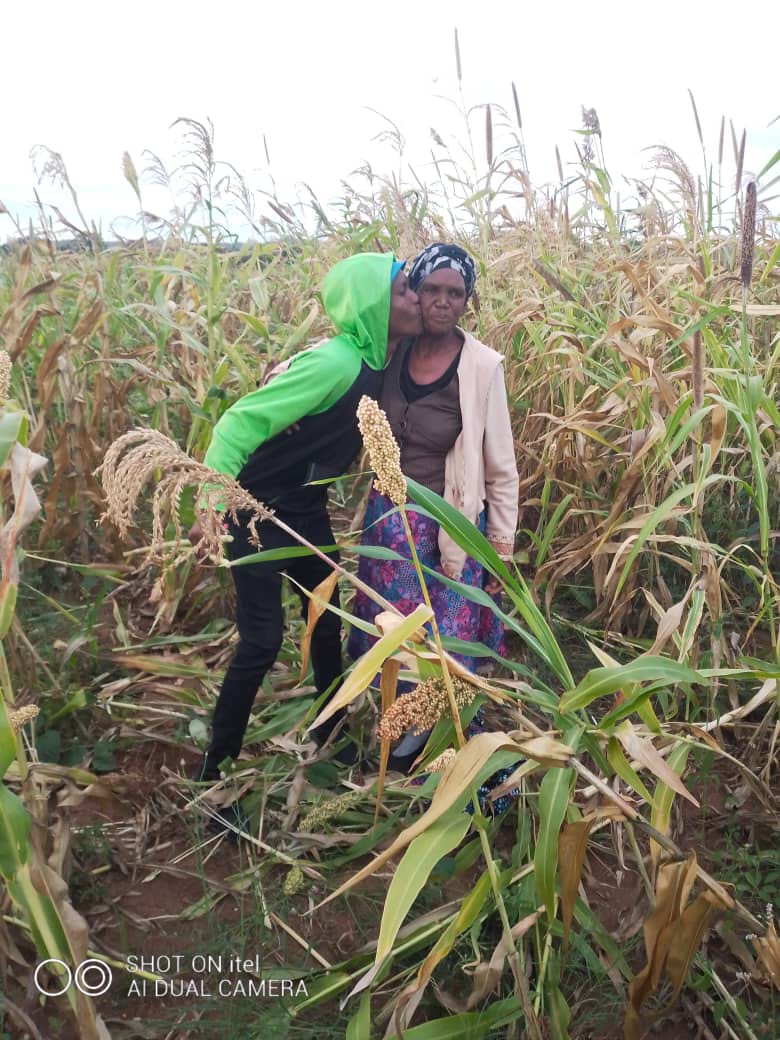
Village grandmothers and mothers partner side-by-side with our orphaned youth. They guide the garden beds, ensuring diverse nutrition—cultivating vitamin-packed watermelons, sweet sugarcanes, green leafy vegetables, and drought-resistant sorghum.
Their maternal leadership creates a nurturing family environment where vulnerable children are embraced, mentored, and taught the value of honest labor from the soil.
Key Activities on the Ground
How SITG mobilises orphaned youth and cultivates Community Nutrition Gardens from the soil up.
Mobilising Orphans & Youth
Identifying vulnerable children and youth in rural villages, gathering them into agricultural training circles, and providing protective footwear, hand tools, and a welcoming community.
Teaching 100% Organic Farming
Mentoring youth in natural soil building, compost making, non-chemical pest management, and furrow preparation so they master organic cultivation with zero reliance on costly chemical inputs.
Planting Nutrition Crops
Establishing diverse, high-nutrition crops: sweet watermelons, fresh sugarcanes, green leafy vegetables, biofortified maize, and climate-adapted sorghum that thrive in local soils.
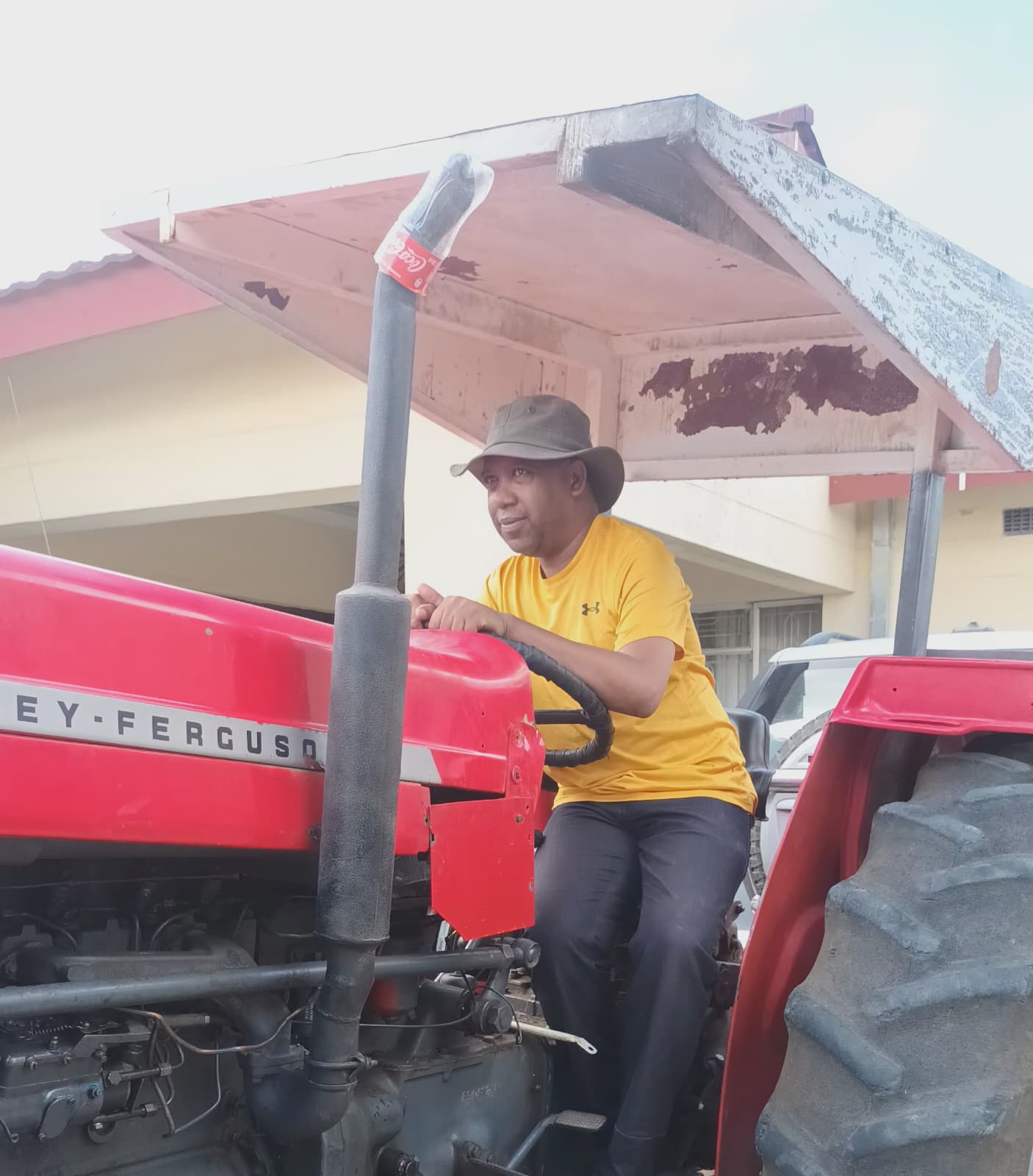
Tractor Land Tillage
Utilizing our tractor equipment to clear and rip hardpan ground, opening up larger acreage so more orphans and families have space to plant their own garden plots.
Harvesting & Food Sovereignty
Youth harvest the fruits of their own labor—carrying sweet melons, sugarcanes, and grain home to feed their families and selling surplus to buy school supplies and clothing.
The Next Step: Solar Borehole
Our biggest challenge remains water. We are actively raising funds to drill our first deep solar borehole on the farm, replacing arduous manual water carrying with automated solar irrigation.
"We don't just hand an orphan food for today; we teach them to plant organic seeds in the ground so they can feed themselves for a lifetime."
Now, our most urgent prayer is to drill a deep solar borehole on the farm so drought will never dry up these children's gardens again.
The Crucial Need: Drilling Our First Solar Borehole
Today in Zimbabwe, our orphans and mothers water their nutrition crops by hauling buckets and manual containers under the intense sun. While their dedication has produced incredible sweet melons and fresh crops, prolonged droughts threaten to desiccate their hard work.
Deep Borehole Well
Tapping subterranean aquifers 80–120 meters deep for clean, endless groundwater.
Solar Pumping Array
Zero electricity bills: 100% solar energy lifting thousands of litres daily.
Direct Drip Lines
Connecting elevated tanks directly to the children's garden beds with zero waste.
Every donation directly accelerates our drilling rig mobilization on the farm.
Zimbabwe Mission Photo Gallery
Complete photographic documentation of our Nutrition Gardens, orphan agricultural mentorship, tractor tillage, and sweet melon harvests in Zimbabwe. Click any photo to enlarge.
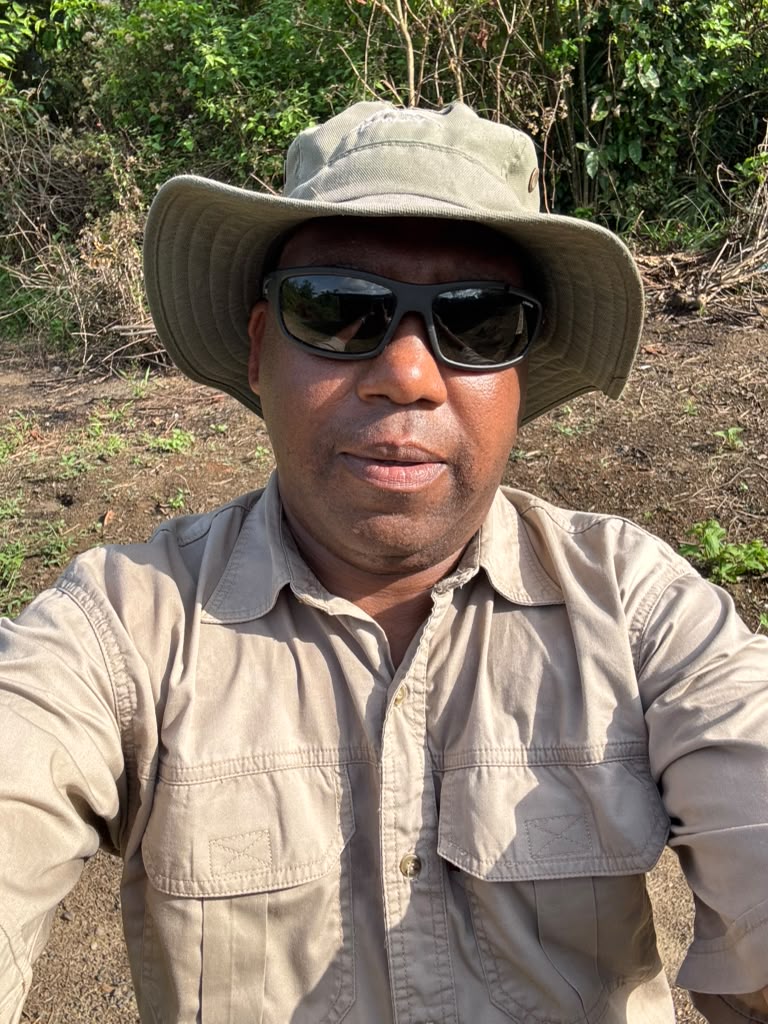
Director on Site
Click to Zoom
Drought Challenge
Click to Zoom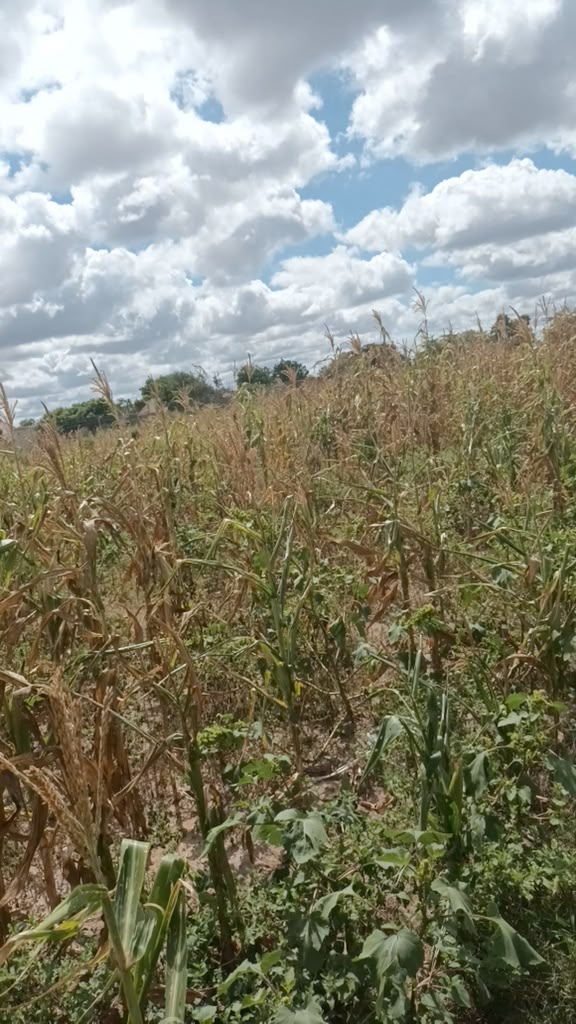
Parched Soil
Click to Zoom
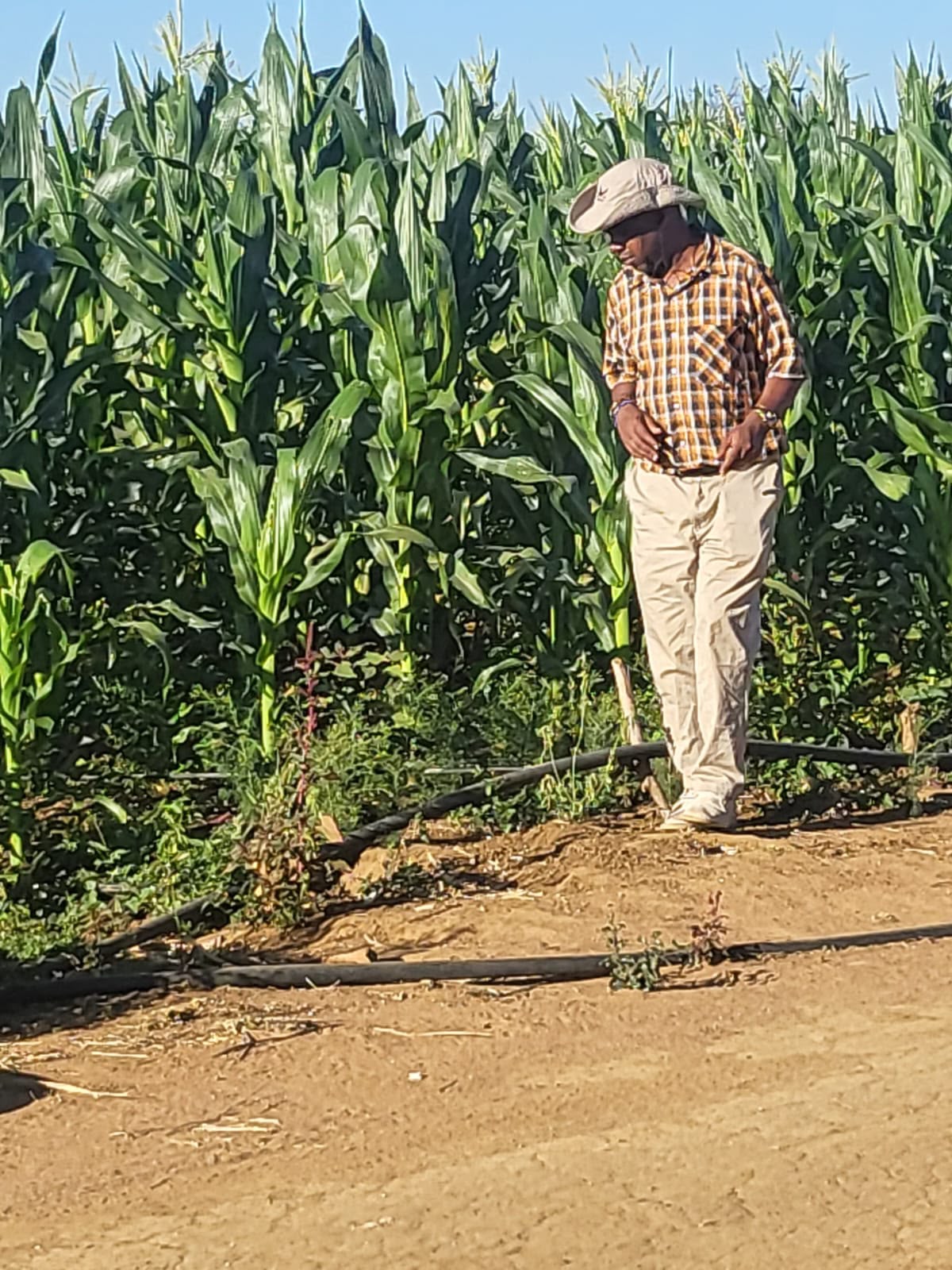
Flourishing Crops
Click to Zoom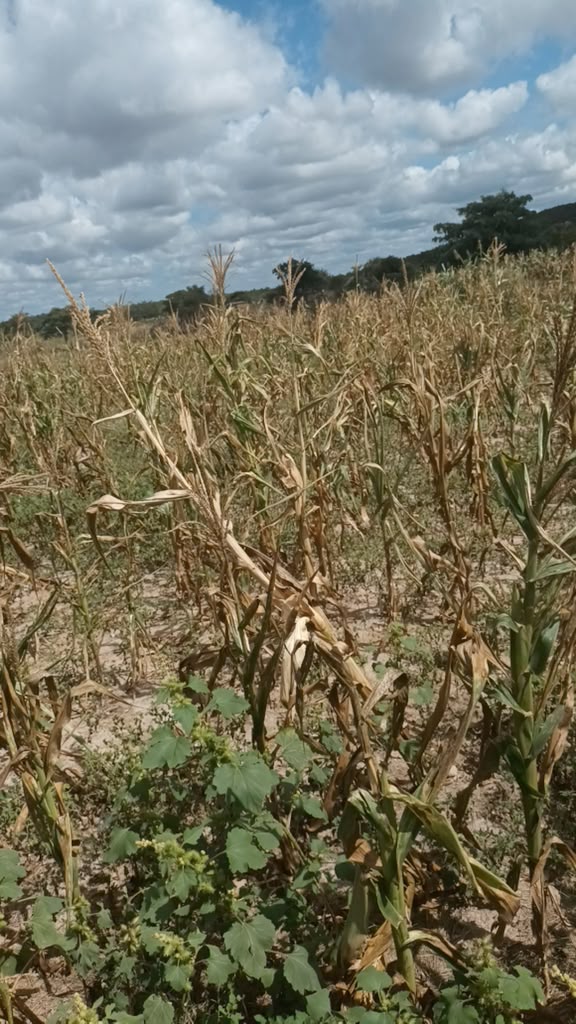
Dry Season Land
Click to Zoom
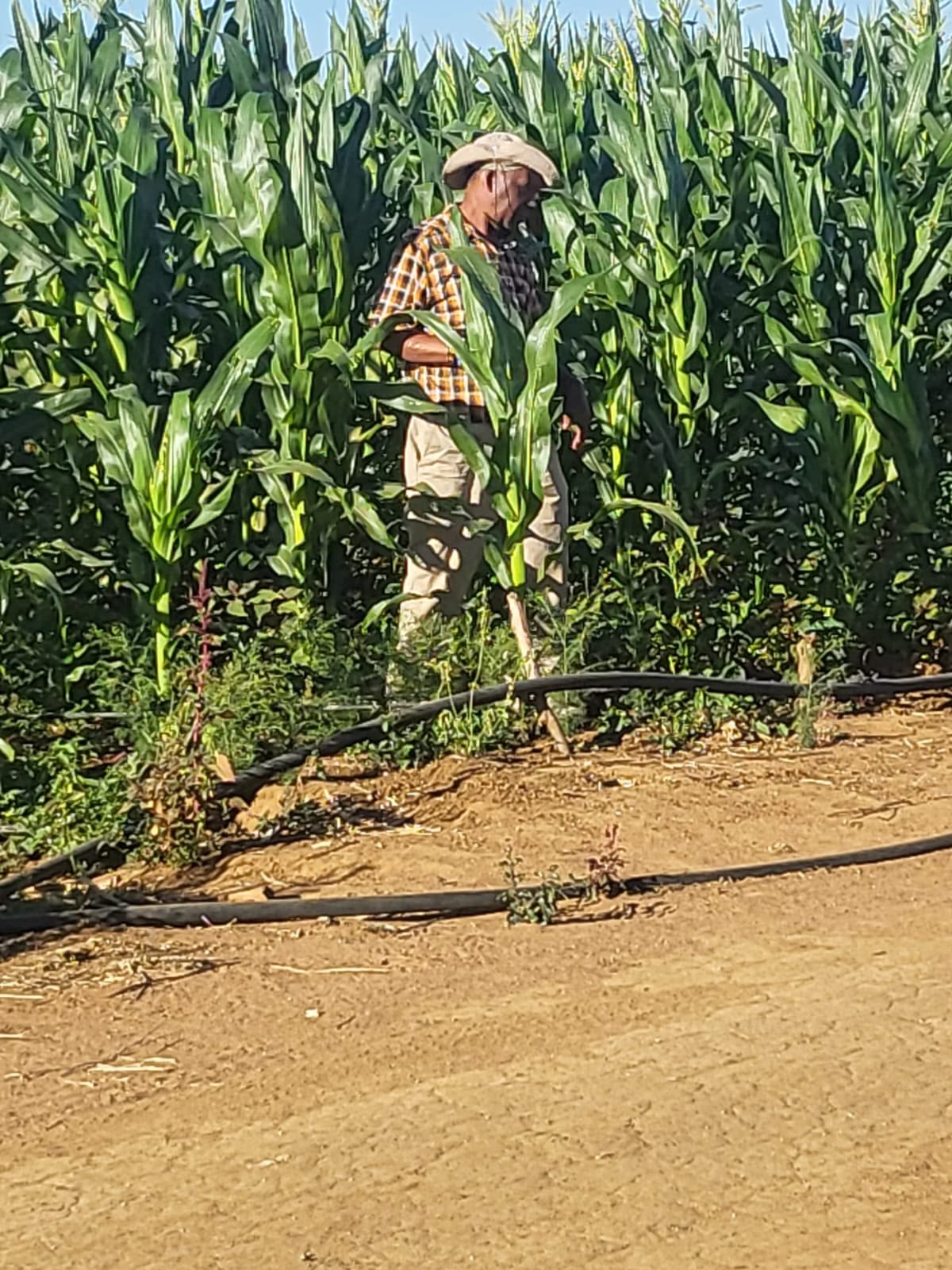
Dense Canopy
Click to Zoom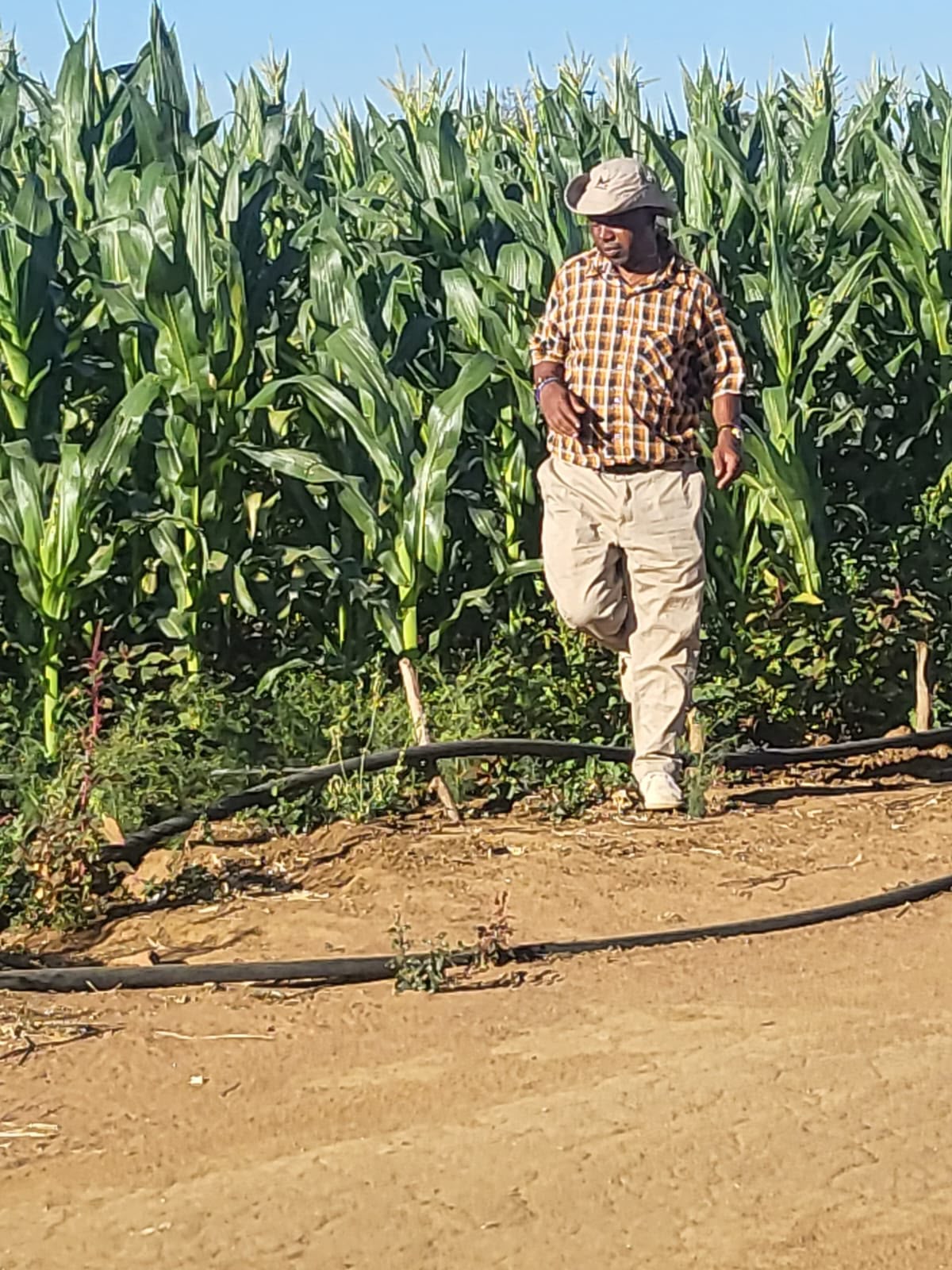
Crop Density
Click to Zoom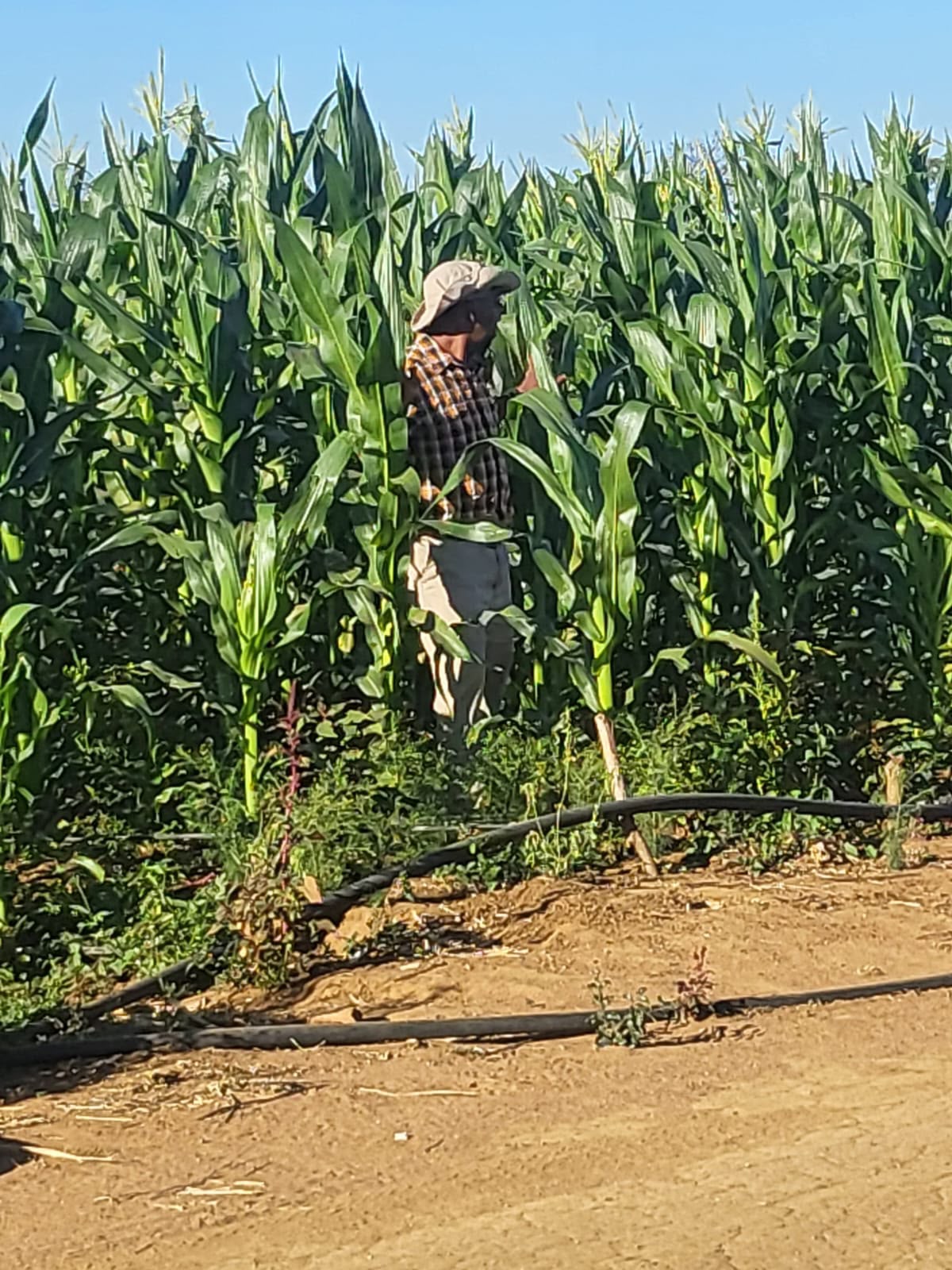
Field Mentorship
Click to Zoom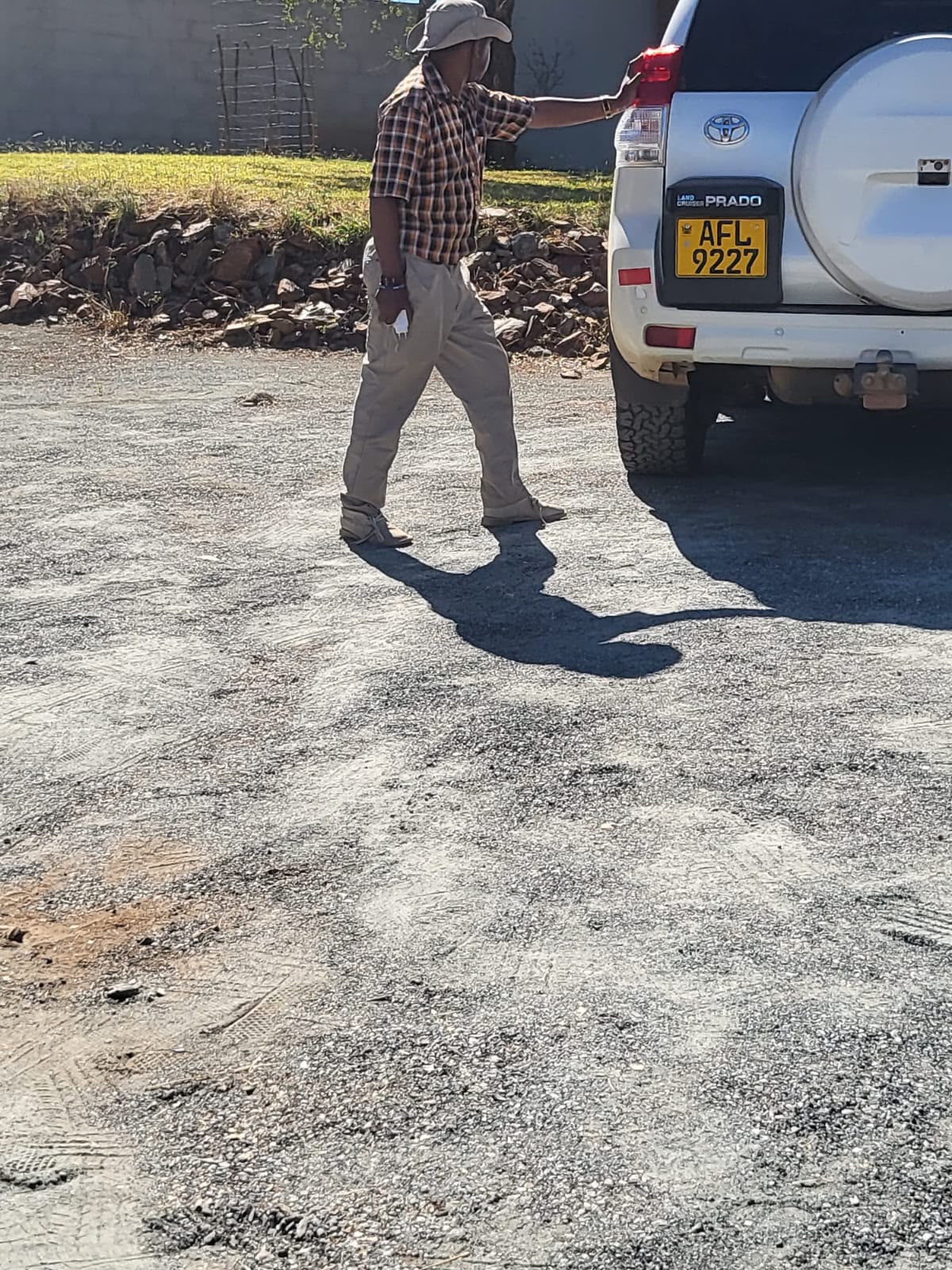
Field Transport
Click to Zoom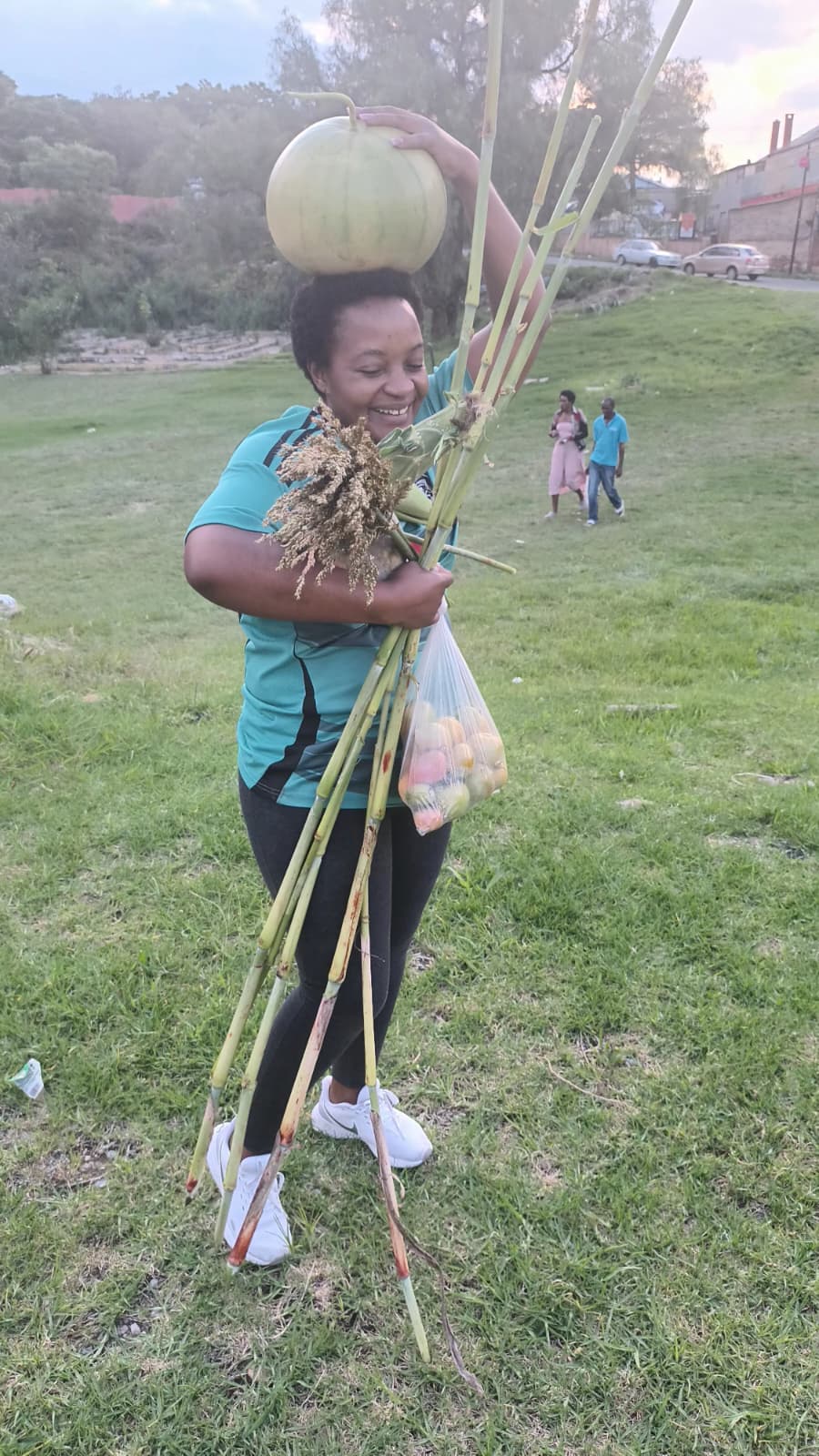
Site Survey
Click to Zoom
Celebrating Yields
Click to Zoom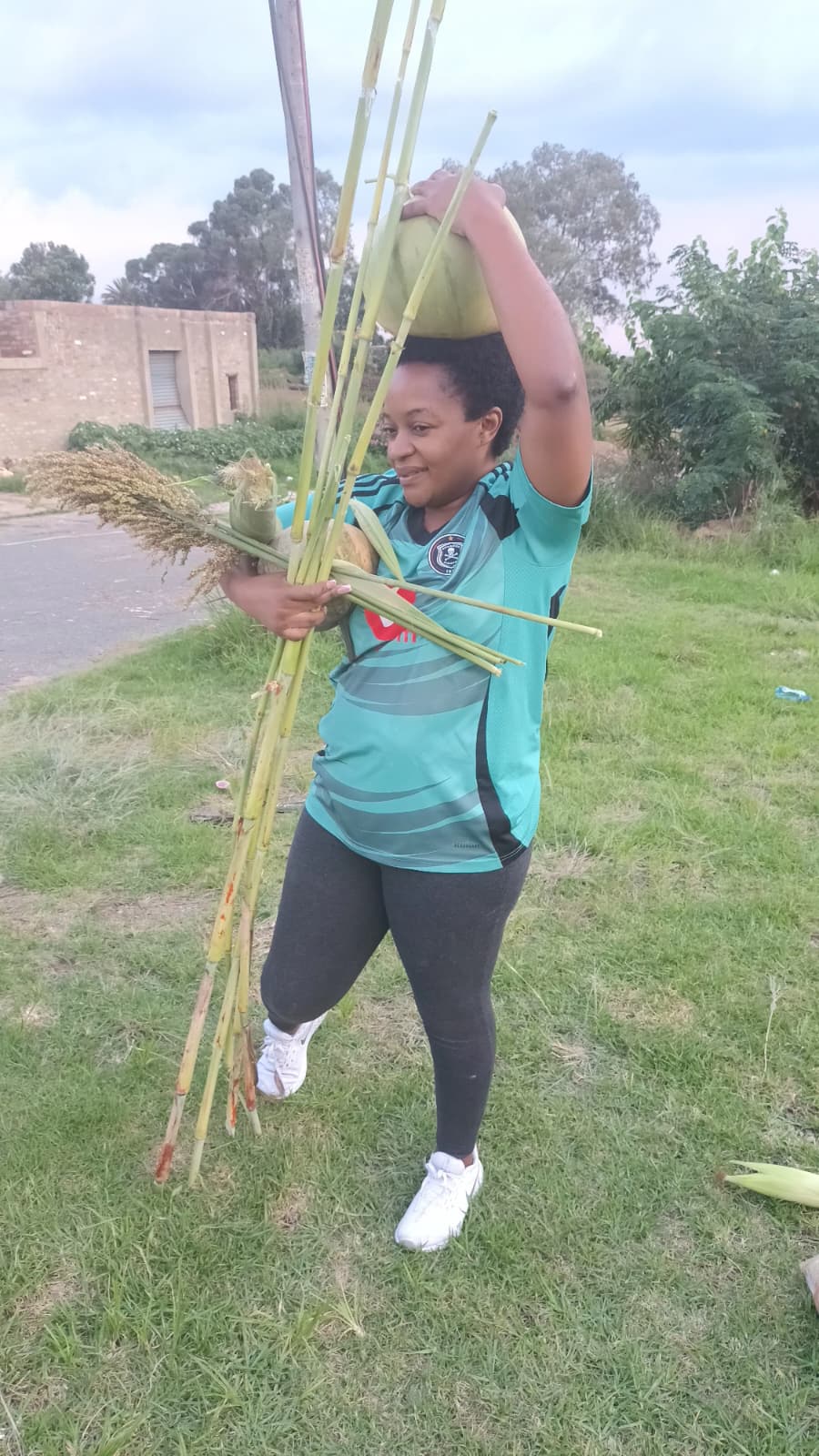
Farmland Walk
Click to Zoom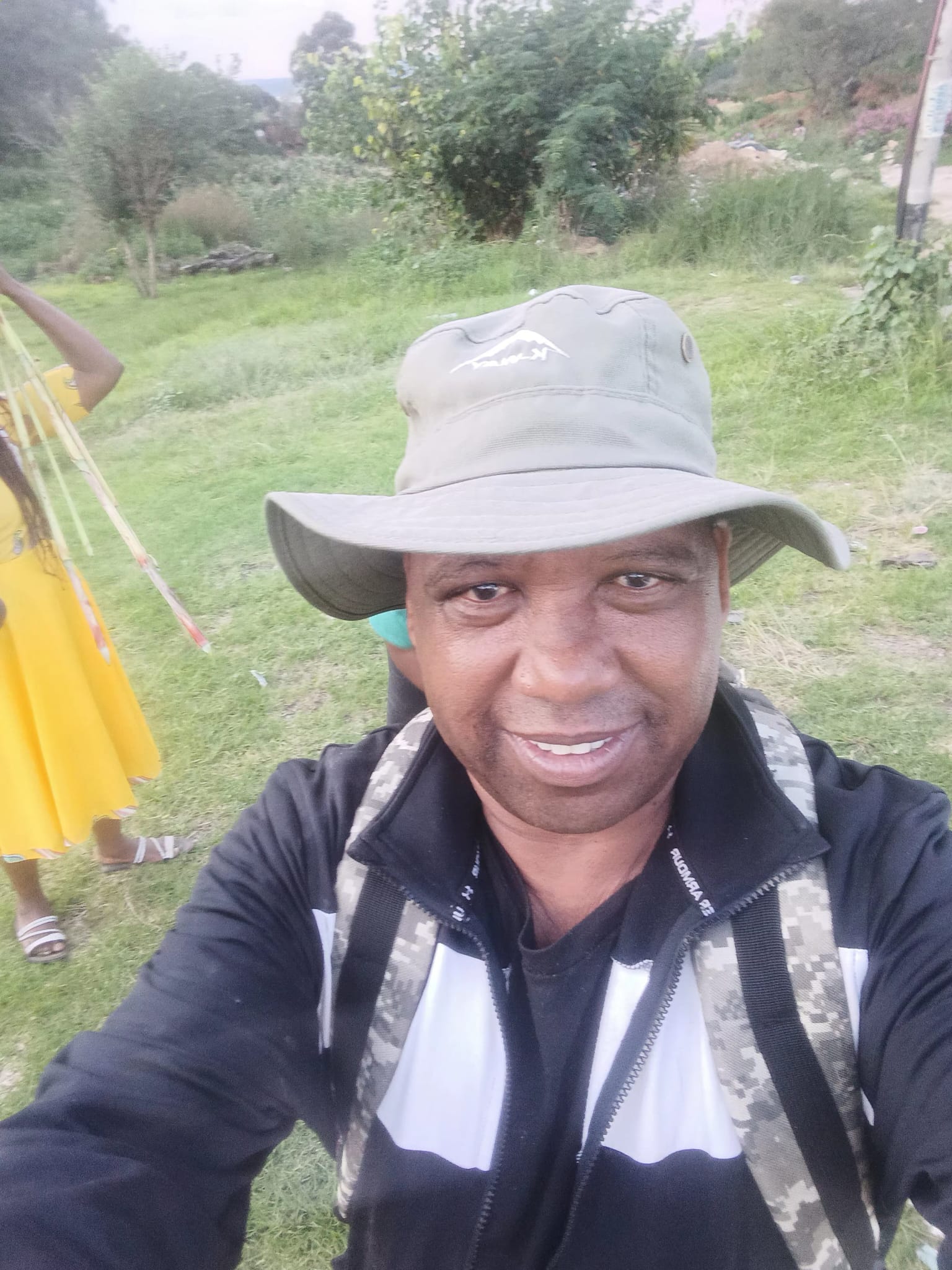
Hope in the Soil
Click to Zoom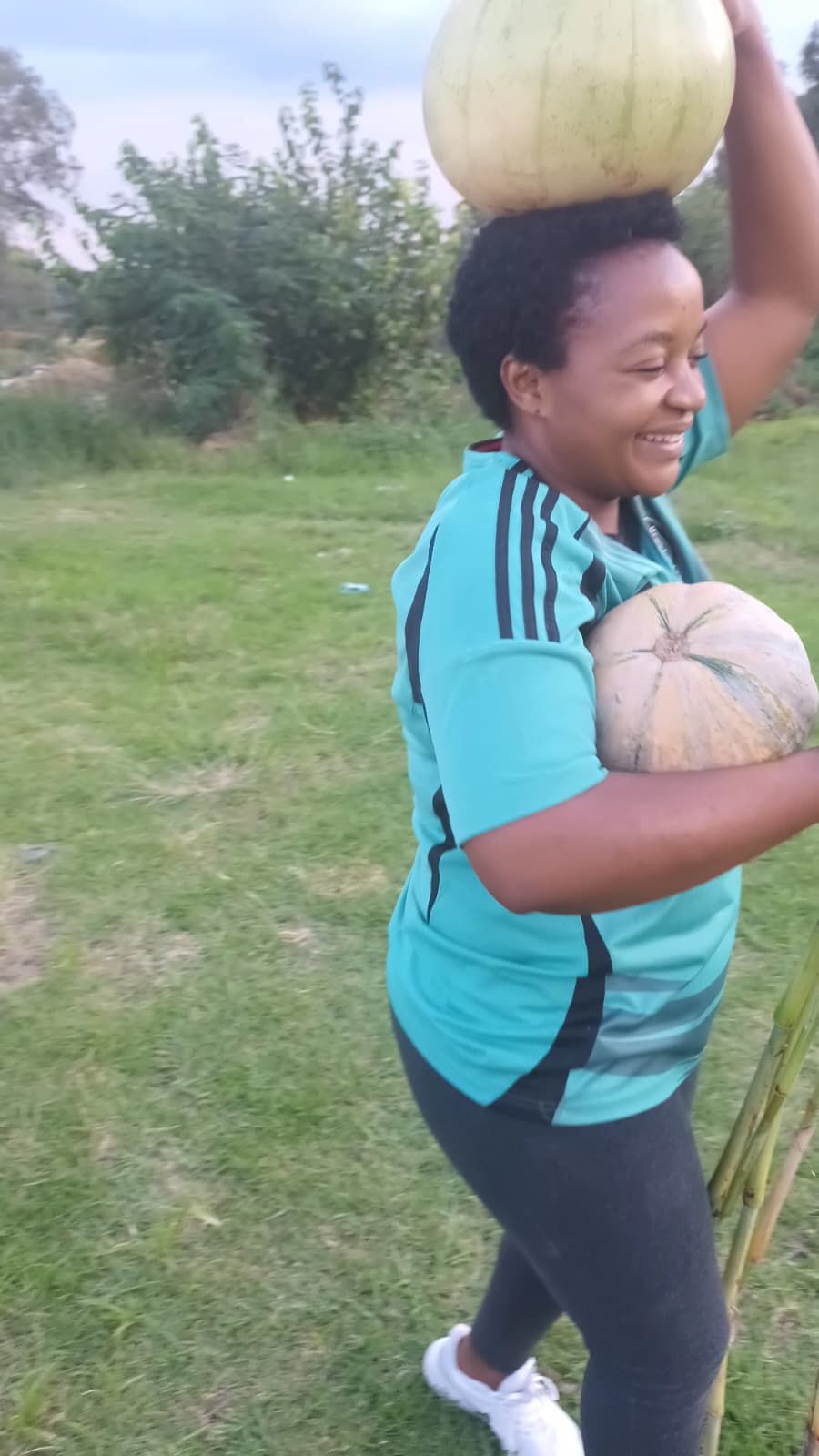
Contour Ridges
Click to Zoom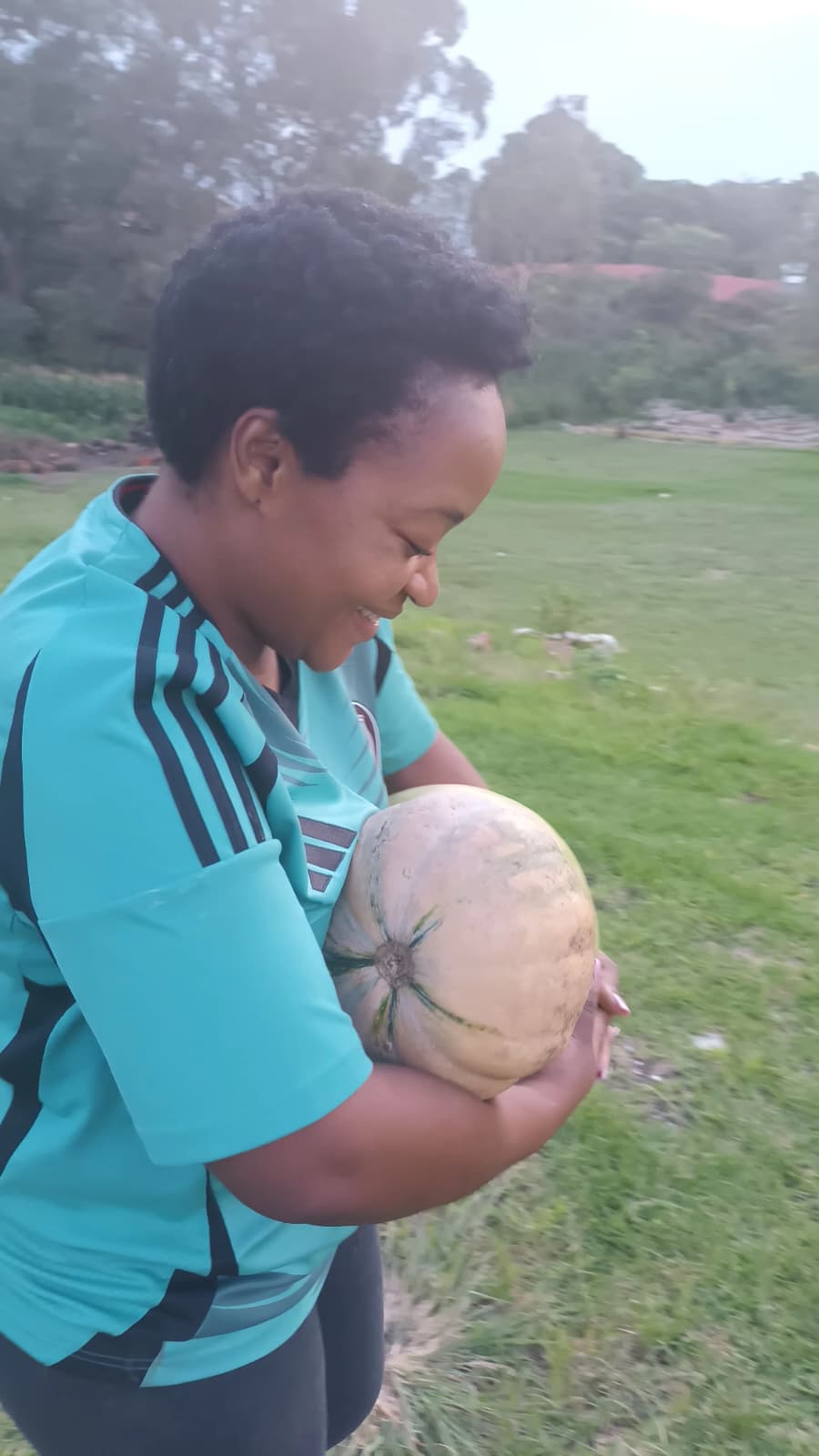
Water Planning
Click to Zoom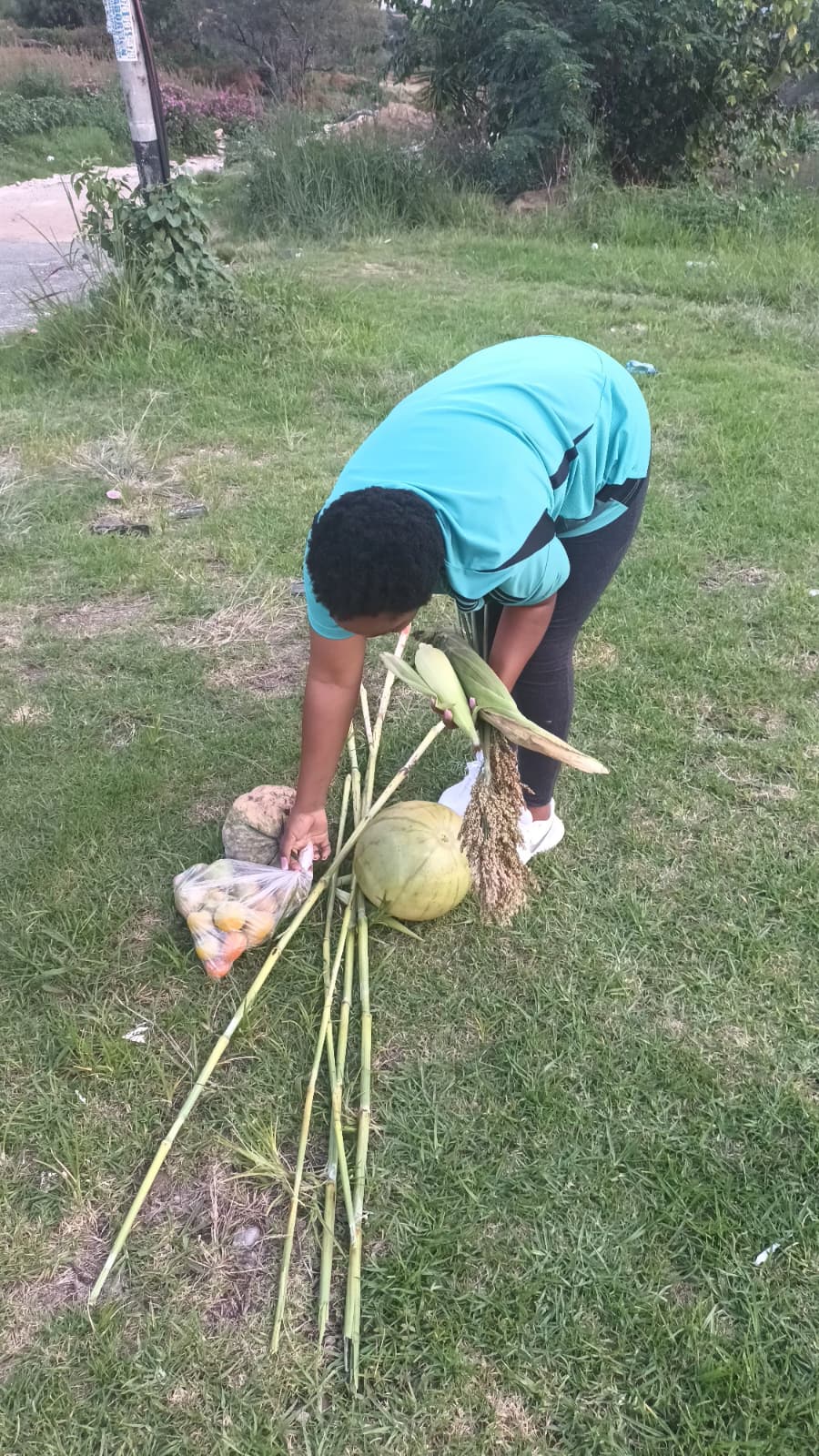
Tool Delivery
Click to Zoom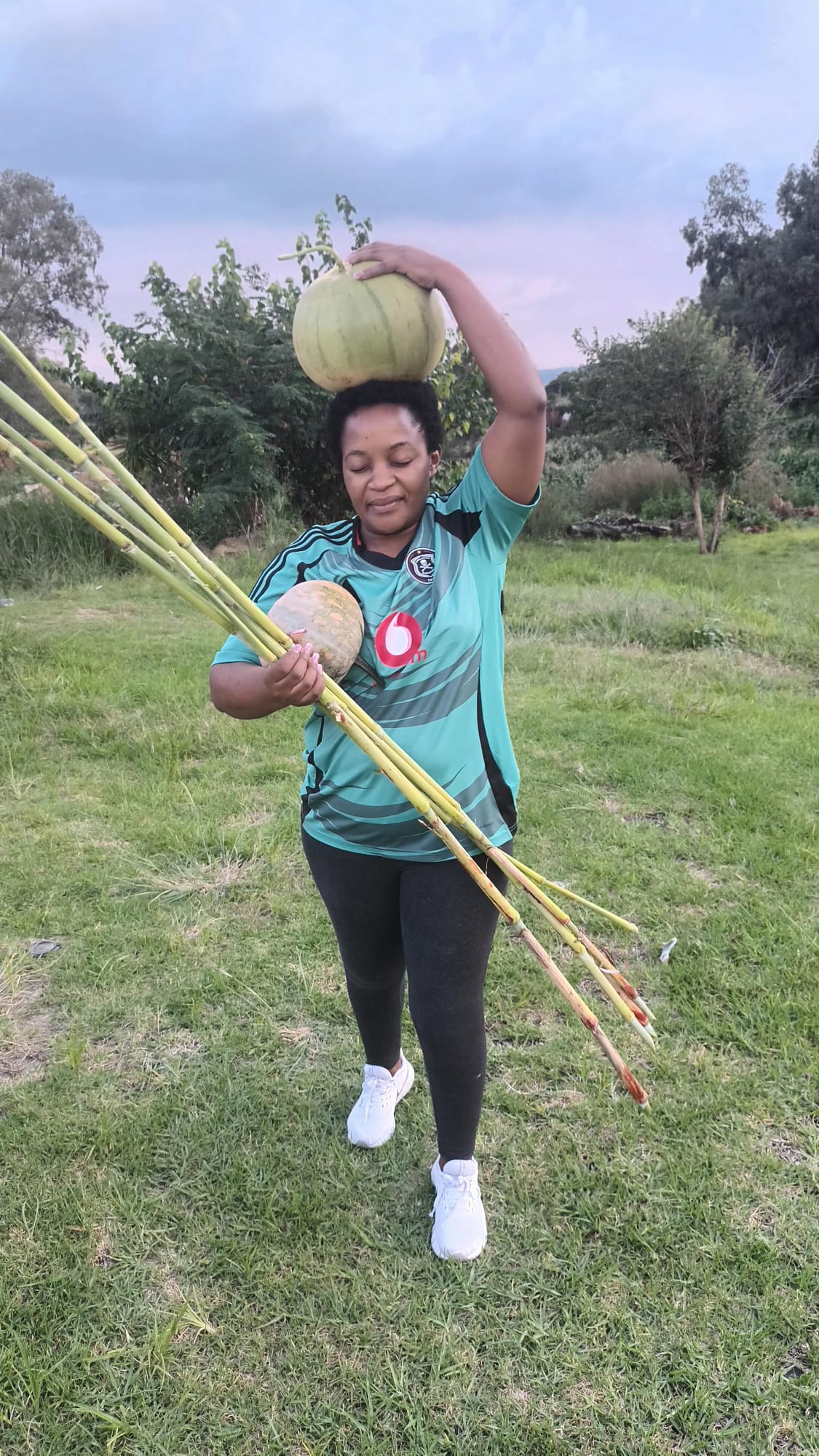
Daily Garden Care
Click to Zoom
Melon Harvest
Click to Zoom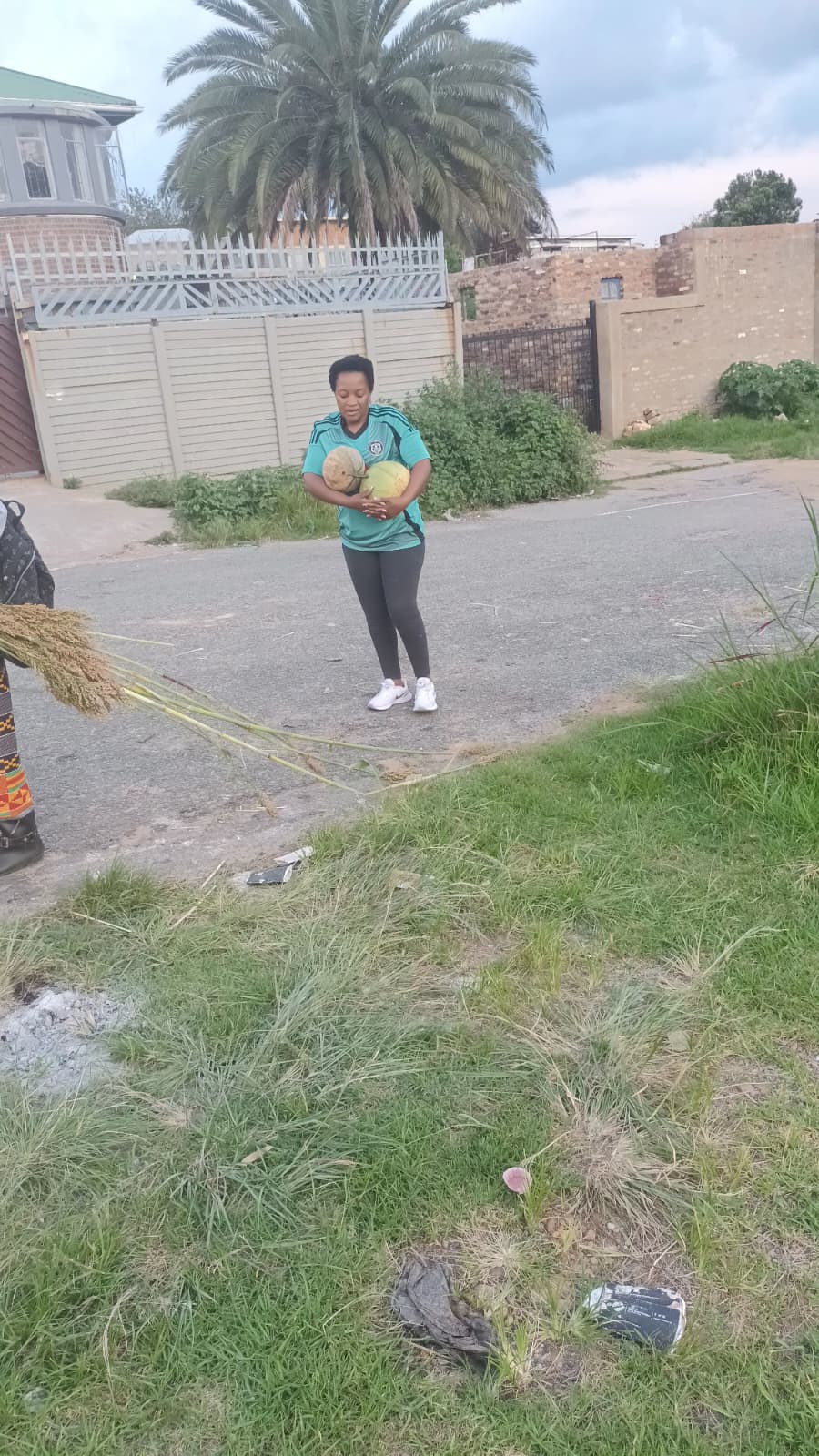
Tradition & Food
Click to Zoom
Sustaining Harvest
Click to Zoom
National Colors
Click to Zoom
Tractor Tillage
Click to Zoom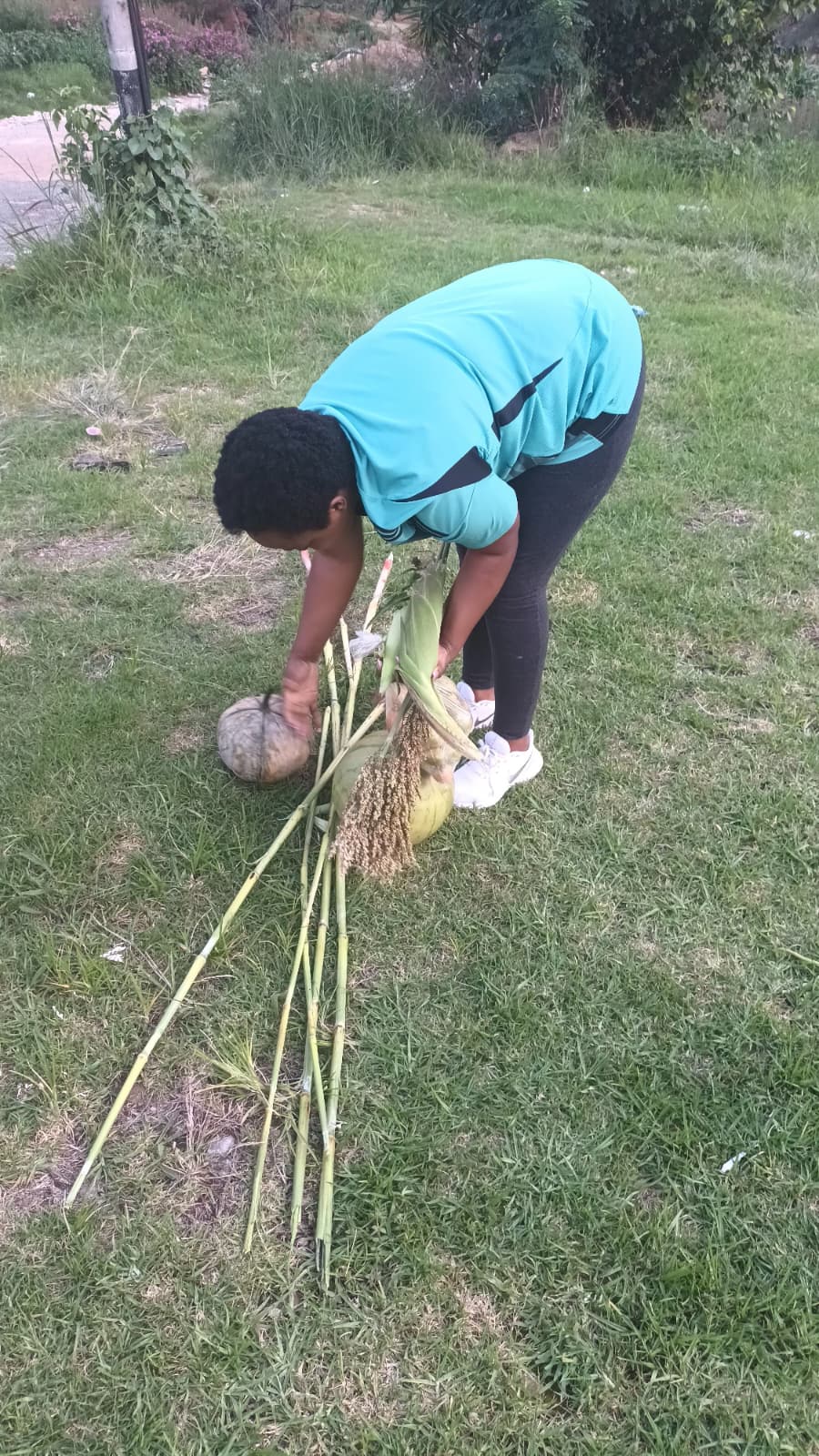
Semi-Arid Land
Click to Zoom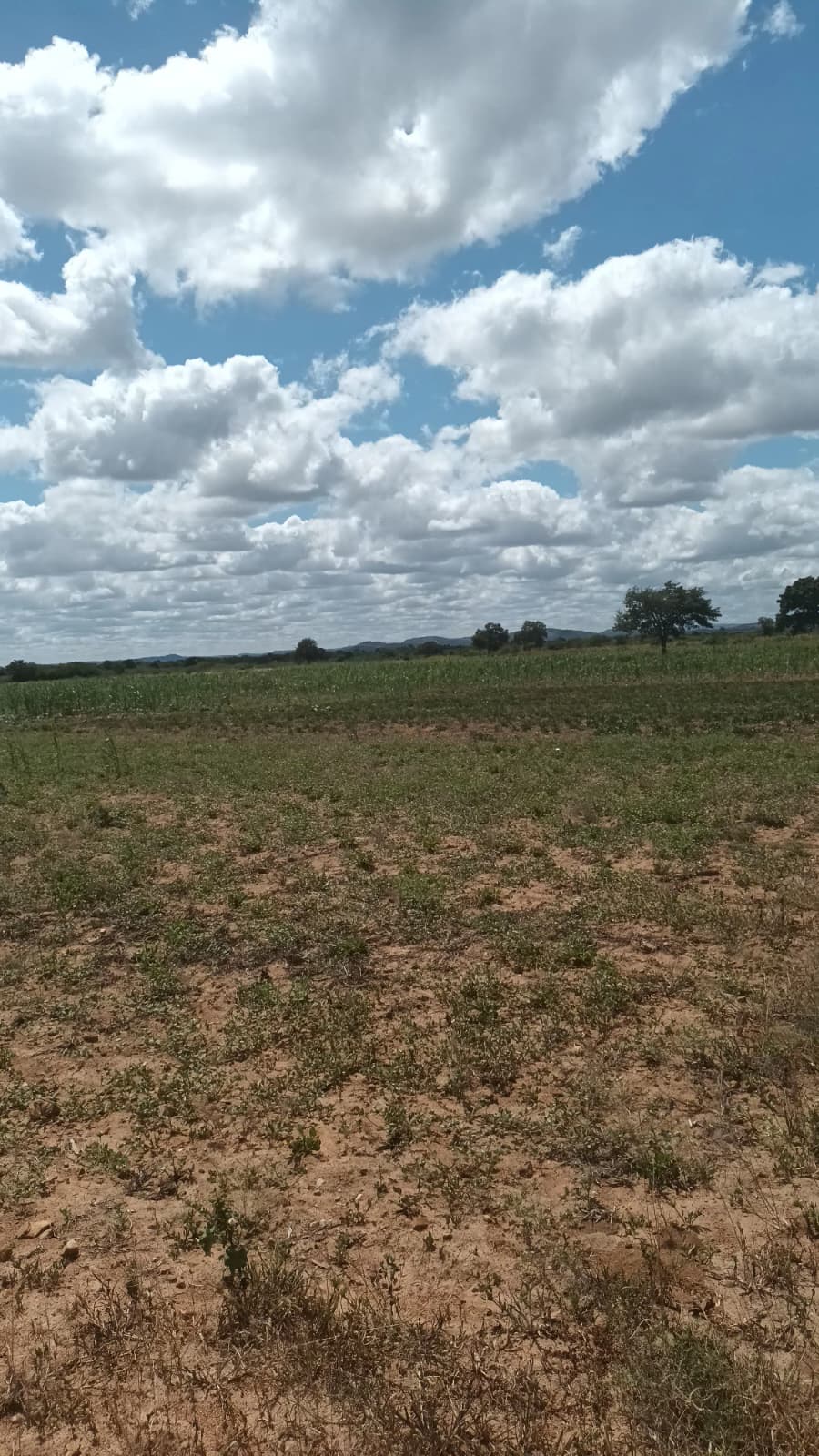
Emerging Shoots
Click to Zoom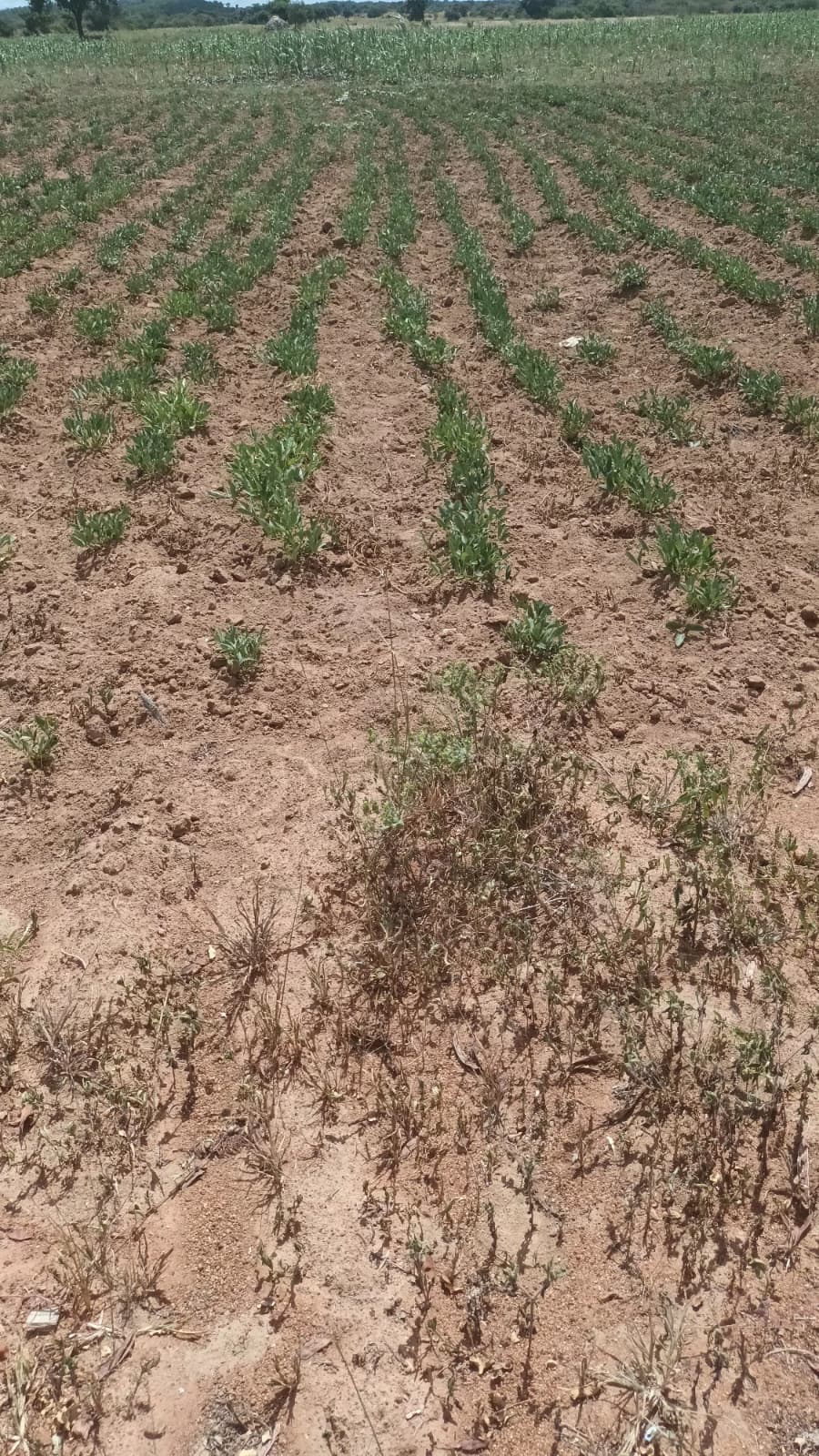
Prepared Furrows
Click to Zoom
Furrow Layout
Click to Zoom
Family Love
Click to Zoom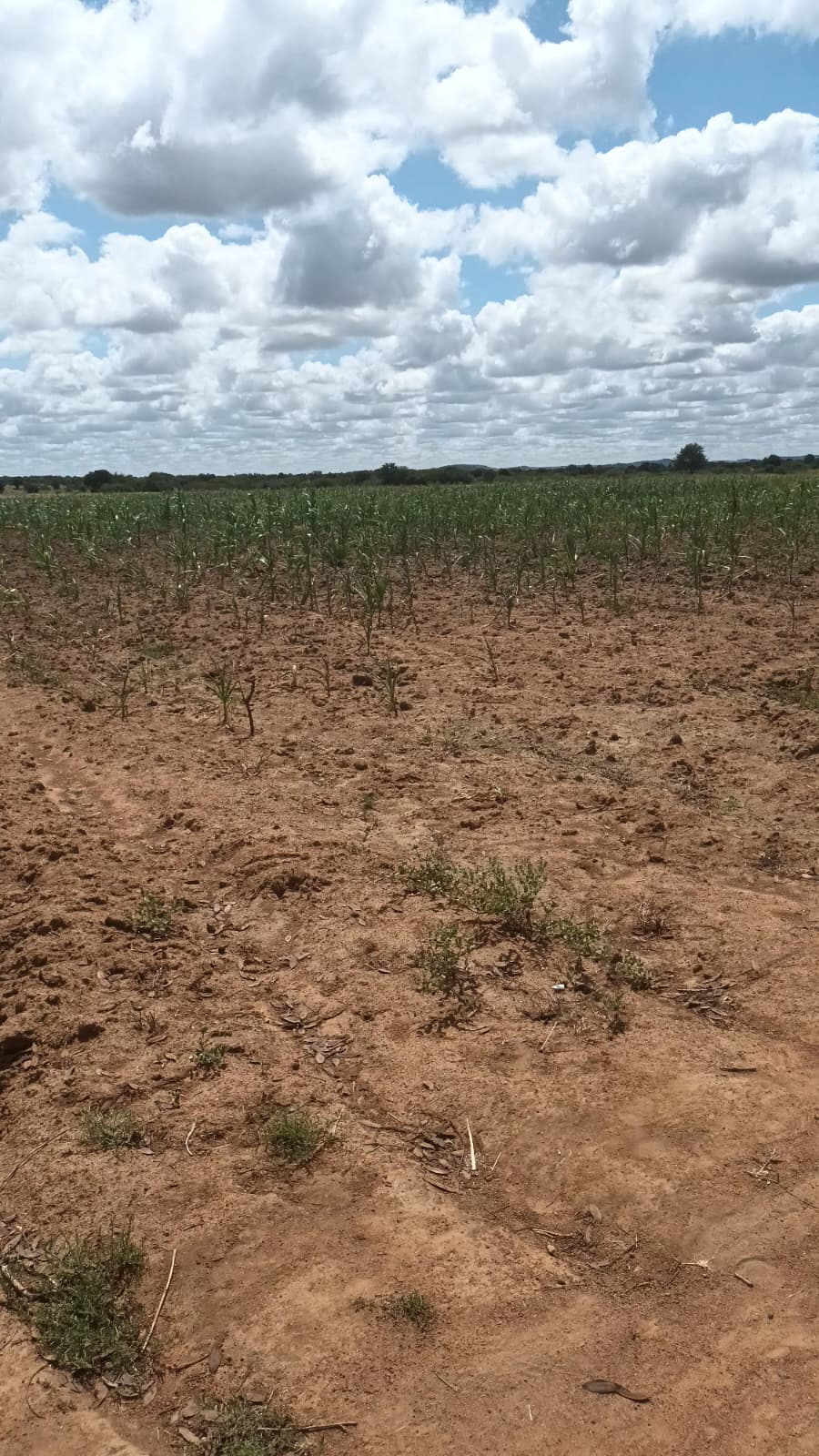
Sorghum Stalks
Click to Zoom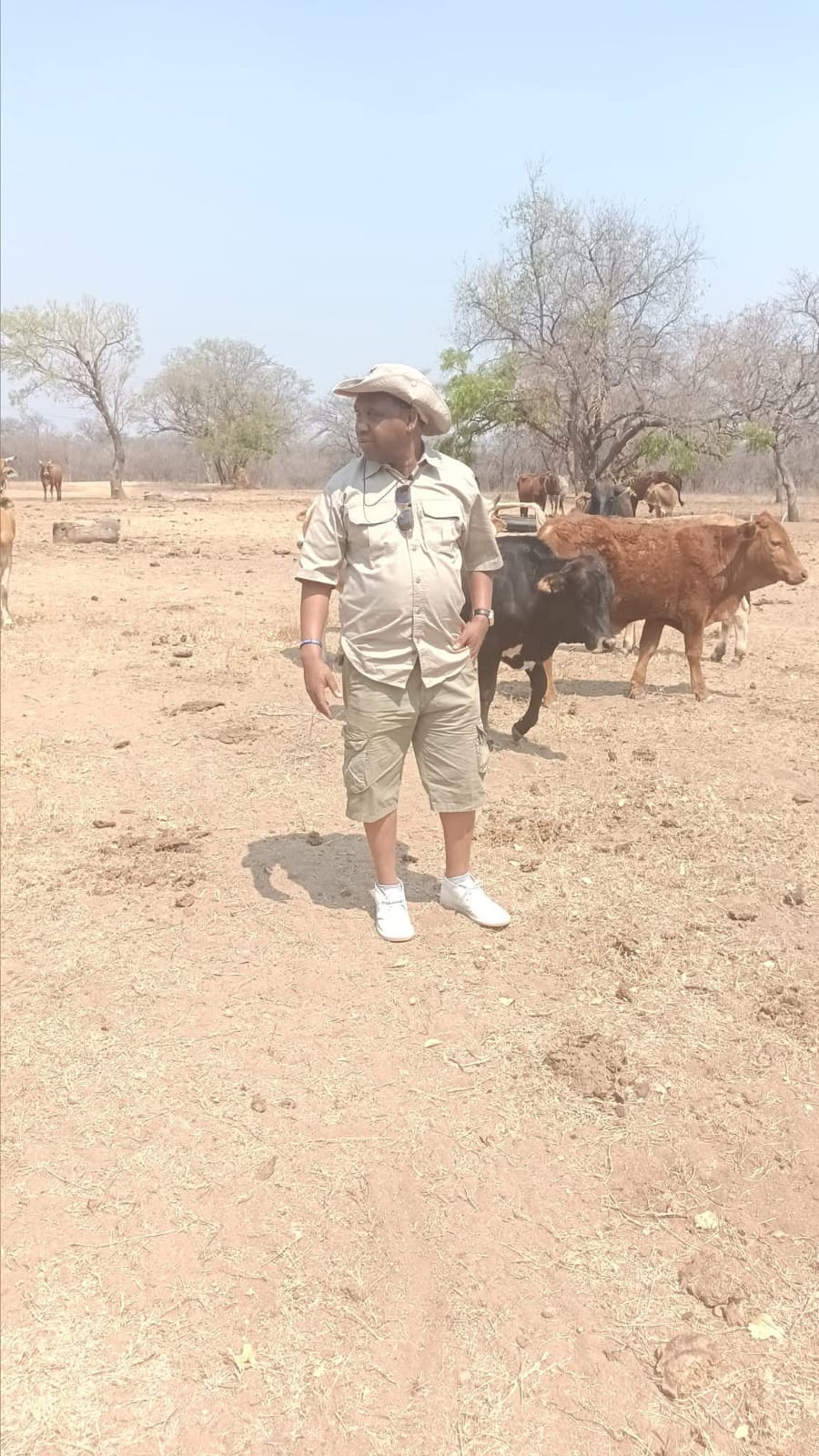
Care Circle
Click to Zoom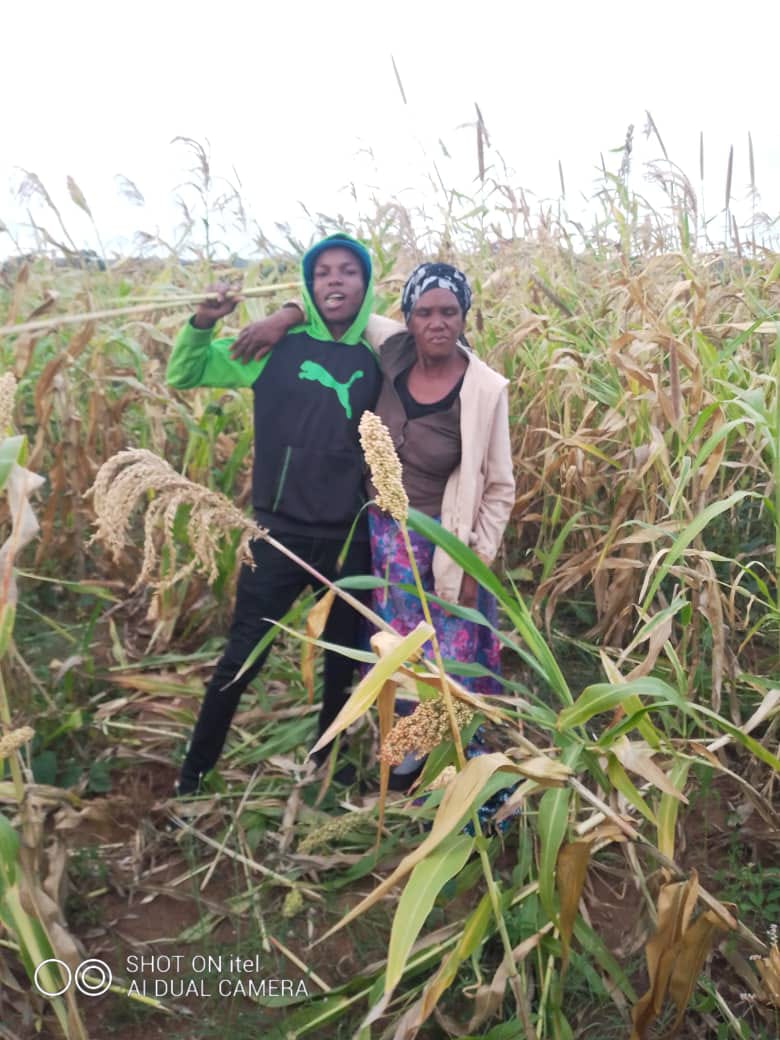
Harvest Guardians
Click to Zoom
Hope for Zimbabwe
Click to ZoomOur Growing Impact in Zimbabwe
Tangible results of our Community Nutrition Gardens and youth empowerment on the ground.
Equipped with hands-on organic farming skills to feed themselves.
Zero costly toxic chemicals; natural composting and soil restoration.
Fresh watermelons, sugarcanes, garden vegetables, and sorghum.
Raising support to drill our first solar water well on the farm.
Real Stories, Real Impact
Tendai Mutasa
Matabeleland South, Zimbabwe
"When I lost my parents, I thought hunger would define my life. SITG welcomed me into the community nutrition garden. They taught me how to make organic compost and care for watermelon and sorghum seeds. Now I grow my own food with my hands. If we can get a solar borehole on this farm, no orphan here will ever go hungry."
Memory Sithole
Rural District Caretaker, Zimbabwe
"Seeing our orphaned children carry watermelons they grew themselves instead of queuing for food hand-outs has restored their smiles and dignity. We are doing all this with manual watering. Imagine what we can cultivate once friends like you help us drill a solar borehole right on the farm!"
How to Support Our Zimbabwe Mission
Your contribution directly funds organic seed toolkits for orphans and brings us closer to drilling a life-changing solar borehole on the farm.
Orphan Farmer Starter Pack
Provides an orphan apprentice with hand tools, protective boots, and organic vegetable & melon seeds.
Garden Expansion & Compost
Supplies tractor tillage fuel, organic soil compost, and water storage drums for 5 orphan-led garden plots.
Solar Borehole Drilling Fund
Directly sponsors geophysical surveys, borehole drilling, and solar pumping gear to bring water onto the farm.